

Contact us
Email:
service@steelplatewaterstop.com
Email:
service@steelplatewaterstop.com
Tel : +8618731764741
Tel : +8615613788619
Address : Guozhuang Town, Xianxian County, Cangzhou City, Hebei province
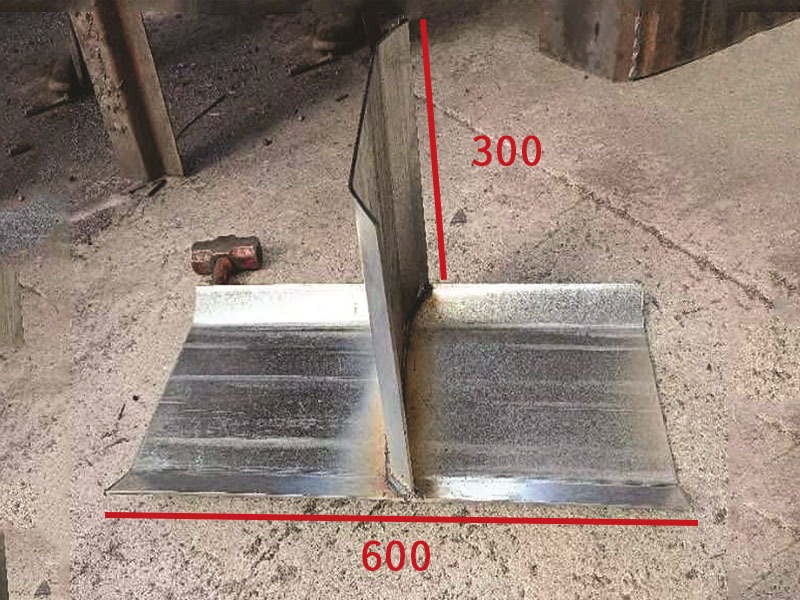
The three-dimensional tee is mainly made of stainless steel material, with a main pipe and two branch pipes, and at the same time, a water seal plate is built in the connection or a special sealing structure is used to ensure that the fluid will not leak at the branch connection.
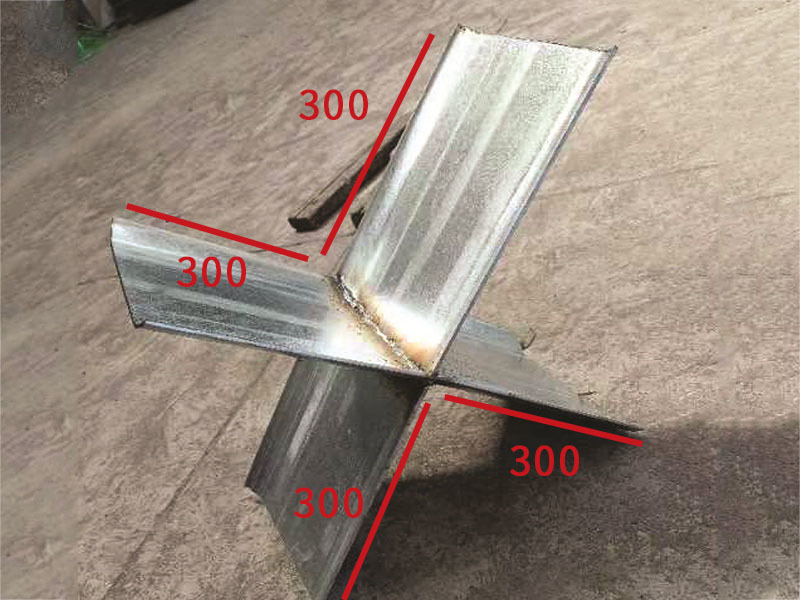
The three-dimensional cross is a specially designed structural part, which combines the corrosion resistance of stainless steel and the waterproof function of the water seal to form a part that can achieve cross-connection in the three-dimensional space and effectively prevent water penetration.
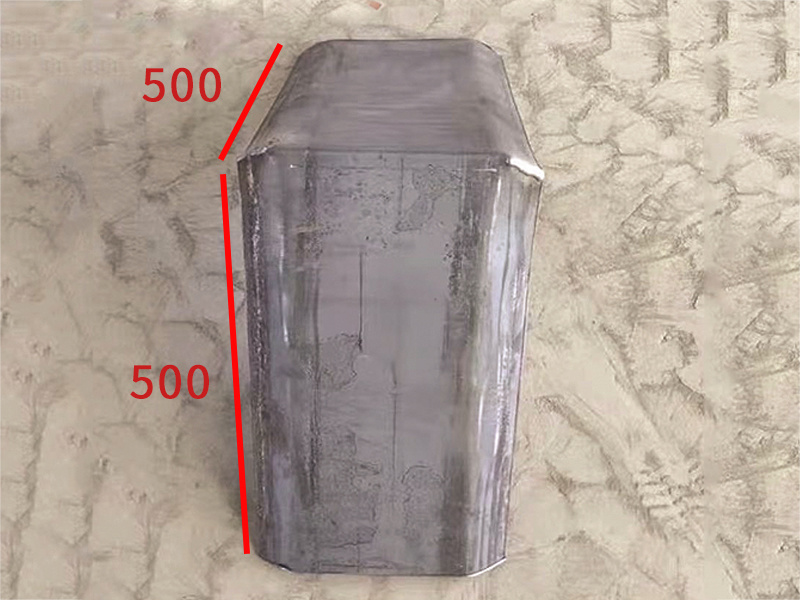
When we're building a board or a wall
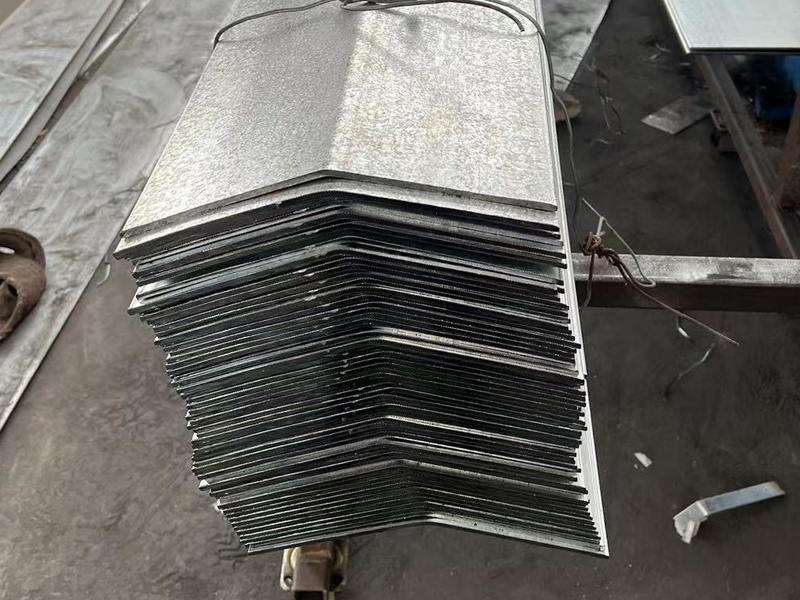
If the Angle between the components is formed, it will produce a included Angle, and the Angle is divided into inside and outside
Hence the terms Yang Angle and Yin Angle.
It is not specifically made of a component, it is due to the formation of an Angle between components
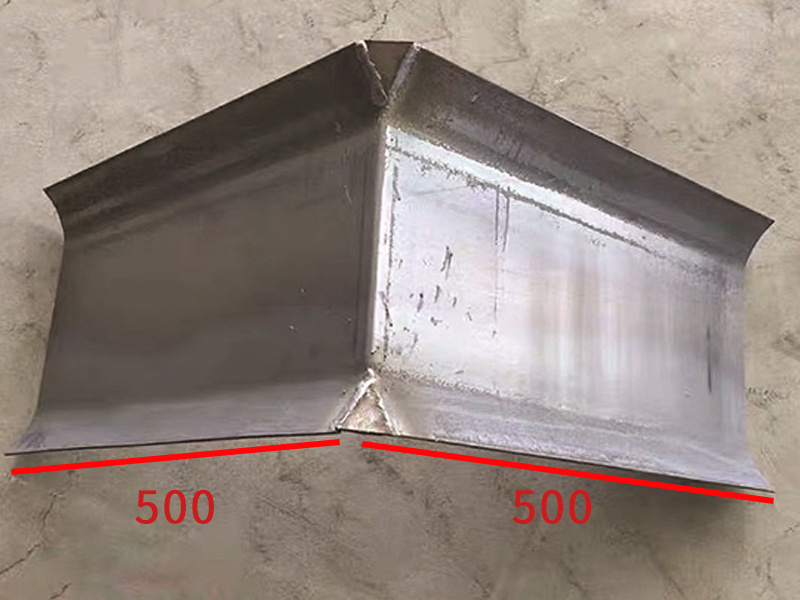
When we're building a board or a wall
If the Angle between the components is formed, it will produce a included Angle, and the Angle is divided into inside and outside
Hence the terms Yang Angle and Yin Angle.
It is not specifically made of a component, it is due to the formation of an Angle between components

The horizontal Angle is a water stop plate made of stainless steel material, which forms a certain horizontal Angle when installed to prevent the penetration of water or other fluids in specific parts (such as the connection between the wall and the floor)
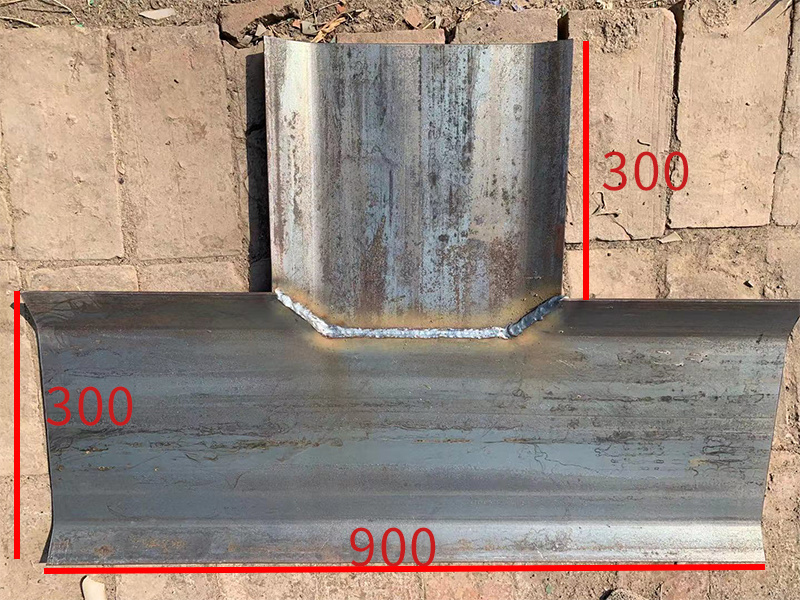
Tee is a special design of steel pipe fittings, mainly used in the need of waterproof, water sealing function of the pipeline system. The tee is structurally combined with the function of the water stop plate, which can effectively prevent the fluid leakage at the pipe connection and improve the safety and stability of the pipeline system.
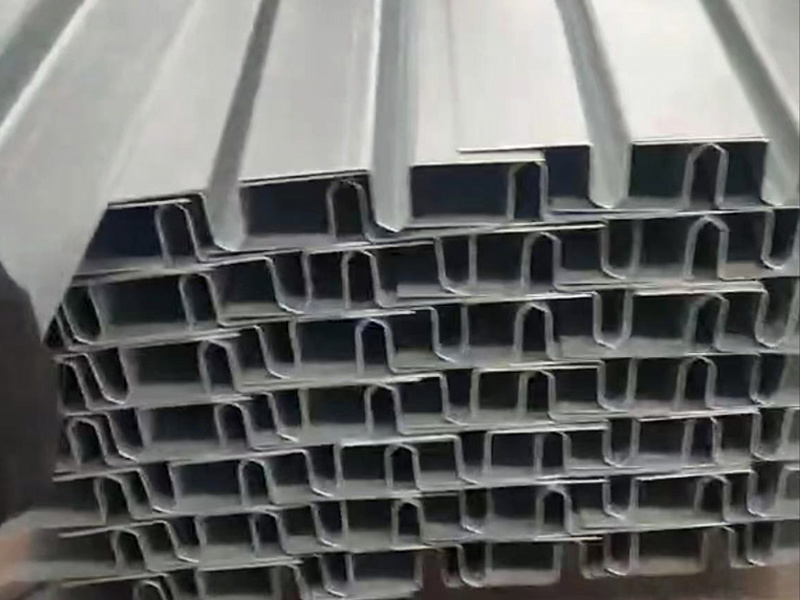
Expansion joints play a crucial role in the field of construction, and their role is mainly reflected in the following aspects:
First, prevent structural damage
Cope with thermal expansion and cold contraction: During the long-term use of buildings, thermal expansion and cold contraction will occur due to changes in ambient temperature. Without expansion joints, this change can cause cracks in walls, floors, or roofs, and even cause structural instability. The arrangement of expansion joints allows the building to move freely through these changes, thus protecting the integrity of the structure.
Adapt to uneven settlement of the foundation: Due to the uneven nature of the foundation, the various parts of the building may produce uneven settlement. The existence of expansion joints can make the building have a certain deformation ability when the foundation is not uniformly settled, so as to avoid the structural damage caused by too large settlement difference.
Second, improve the durability of the building
Reduce stress concentration: The expansion joint can absorb the stress caused by temperature changes, earthquakes and other factors, reduce the concentration of stress in the building structure, thereby extending the service life of the building.
Reduce maintenance costs: By reducing the damage caused by thermal expansion, cold contraction, earthquake, etc., expansion joints reduce the maintenance cost of buildings and improve economic benefits.
3. Adapt to earthquake action
Absorption and dispersion of energy: In earthquake-prone areas, expansion joints can help buildings absorb and disperse energy during earthquakes, reducing earthquake damage to building structures.
Enhance the deformation ability: the expansion joint setup makes the building have a certain deformation ability in the event of an earthquake, which helps to maintain the overall stability of the building.
4. Keep it beautiful
Coordination with the building's appearance: Expansion joints are often designed with aesthetics in mind, using materials and colors that coordinate with the building's appearance, ensuring that they are visually consistent with the overall architectural style.
Five, separate functional areas
Avoid mutual interference: During the use of the building, due to the different frequency and load of different parts, there may be different expansion and contraction. The expansion joint can isolate these parts to avoid mutual interference and ensure the normal use of each functional area.
To sum up, expansion joints are a key factor in ensuring the safety and durability of a building's structure. Properly designed and constructed expansion joints can significantly improve the overall performance of a building, reduce maintenance costs, and extend its service life. Therefore, in the design and construction process of the building, the setting and requirements of the expansion joint should be fully considered.
Refer to 4 information sources

Expansion joints play a crucial role in the field of construction, and their role is mainly reflected in the following aspects:
First, prevent structural damage
Cope with thermal expansion and cold contraction: During the long-term use of buildings, thermal expansion and cold contraction will occur due to changes in ambient temperature. Without expansion joints, this change can cause cracks in walls, floors, or roofs, and even cause structural instability. The arrangement of expansion joints allows the building to move freely through these changes, thus protecting the integrity of the structure.
Adapt to uneven settlement of the foundation: Due to the uneven nature of the foundation, the various parts of the building may produce uneven settlement. The existence of expansion joints can make the building have a certain deformation ability when the foundation is not uniformly settled, so as to avoid the structural damage caused by too large settlement difference.
Second, improve the durability of the building
Reduce stress concentration: The expansion joint can absorb the stress caused by temperature changes, earthquakes and other factors, reduce the concentration of stress in the building structure, thereby extending the service life of the building.
Reduce maintenance costs: By reducing the damage caused by thermal expansion, cold contraction, earthquake, etc., expansion joints reduce the maintenance cost of buildings and improve economic benefits.
3. Adapt to earthquake action
Absorption and dispersion of energy: In earthquake-prone areas, expansion joints can help buildings absorb and disperse energy during earthquakes, reducing earthquake damage to building structures.
Enhance the deformation ability: the expansion joint setup makes the building have a certain deformation ability in the event of an earthquake, which helps to maintain the overall stability of the building.
4. Keep it beautiful
Coordination with the building's appearance: Expansion joints are often designed with aesthetics in mind, using materials and colors that coordinate with the building's appearance, ensuring that they are visually consistent with the overall architectural style.
Five, separate functional areas
Avoid mutual interference: During the use of the building, due to the different frequency and load of different parts, there may be different expansion and contraction. The expansion joint can isolate these parts to avoid mutual interference and ensure the normal use of each functional area.
To sum up, expansion joints are a key factor in ensuring the safety and durability of a building's structure. Properly designed and constructed expansion joints can significantly improve the overall performance of a building, reduce maintenance costs, and extend its service life. Therefore, in the design and construction process of the building, the setting and requirements of the expansion joint should be fully considered.
Refer to 4 information sources
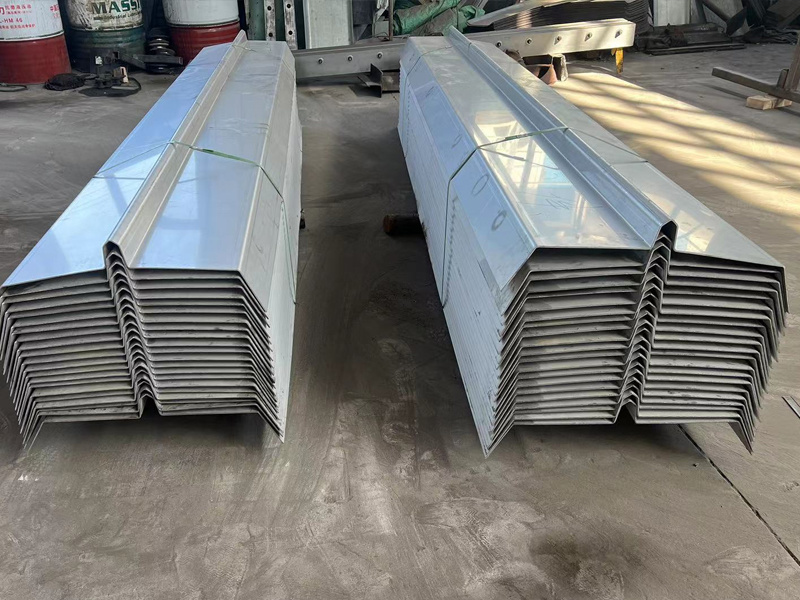
Expansion joints play a crucial role in the field of construction, and their role is mainly reflected in the following aspects:
First, prevent structural damage
Cope with thermal expansion and cold contraction: During the long-term use of buildings, thermal expansion and cold contraction will occur due to changes in ambient temperature. Without expansion joints, this change can cause cracks in walls, floors, or roofs, and even cause structural instability. The arrangement of expansion joints allows the building to move freely through these changes, thus protecting the integrity of the structure.
Adapt to uneven settlement of the foundation: Due to the uneven nature of the foundation, the various parts of the building may produce uneven settlement. The existence of expansion joints can make the building have a certain deformation ability when the foundation is not uniformly settled, so as to avoid the structural damage caused by too large settlement difference.
Second, improve the durability of the building
Reduce stress concentration: The expansion joint can absorb the stress caused by temperature changes, earthquakes and other factors, reduce the concentration of stress in the building structure, thereby extending the service life of the building.
Reduce maintenance costs: By reducing the damage caused by thermal expansion, cold contraction, earthquake, etc., expansion joints reduce the maintenance cost of buildings and improve economic benefits.
3. Adapt to earthquake action
Absorption and dispersion of energy: In earthquake-prone areas, expansion joints can help buildings absorb and disperse energy during earthquakes, reducing earthquake damage to building structures.
Enhance the deformation ability: the expansion joint setup makes the building have a certain deformation ability in the event of an earthquake, which helps to maintain the overall stability of the building.
4. Keep it beautiful
Coordination with the building's appearance: Expansion joints are often designed with aesthetics in mind, using materials and colors that coordinate with the building's appearance, ensuring that they are visually consistent with the overall architectural style.
Five, separate functional areas
Avoid mutual interference: During the use of the building, due to the different frequency and load of different parts, there may be different expansion and contraction. The expansion joint can isolate these parts to avoid mutual interference and ensure the normal use of each functional area.
To sum up, expansion joints are a key factor in ensuring the safety and durability of a building's structure. Properly designed and constructed expansion joints can significantly improve the overall performance of a building, reduce maintenance costs, and extend its service life. Therefore, in the design and construction process of the building, the setting and requirements of the expansion joint should be fully considered.
Refer to 4 information sources

Convenient construction: stainless steel plate is easy to process and install, and can adapt to a variety of complex construction environments.
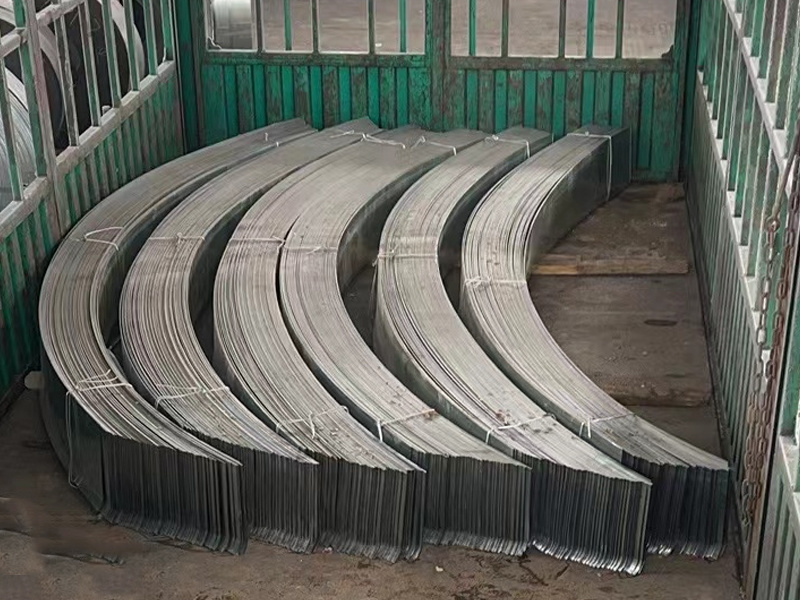
Curved steel plates, due to their unique shape and excellent physical properties, are indeed widely used in waterproofing projects with many special shapes and needs, especially in round pools, park landscapes, and situations requiring highly customized waterproofing solutions.
In the process of use, if you encounter any problems or need technical support, the supplier should provide timely after-sales service. This includes product consultation, troubleshooting, maintenance and replacement. Good after-sales service will provide customers with better experience and protection.


Can't find the product you're looking for ? Contact us!
If you need to inquire about our products, please leave your contact information to us, we will contact you within 24 hours.
Main product
Product consultings : +8618731764741
Product consultings : +8615613788619
Address : Guozhuang Town, Xianxian County, Cangzhou City, Hebei province